
Private Bodhgaya Sunset Tour – Photography , Have you ever watched golden light transform an ancient temple into something almost otherworldly? There’s a magical quality to sunset photography at sacred sites—when fading daylight bathes centuries-old stone in warm amber hues and lengthening shadows add depth and mystery to every frame. The Private Bodhgaya Sunset Tour – Photography is designed specifically for photography enthusiasts who want to capture Buddhism’s most sacred site during its most photogenic hours, combining technical excellence with spiritual reverence.
Why Sunset is the Golden Hour in Bodhgaya
Private Bodhgaya Sunset Tour – Photography , Photographers worldwide know the “golden hour”—that brief period just before sunset when sunlight becomes soft, warm, and directional, creating flattering illumination and dramatic shadows. In Bodhgaya, this golden hour transforms the already magnificent Mahabodhi Temple into a photographer’s dream. The towering 55-meter pyramidal structure catches the low-angle sunlight, its intricate stone carvings standing out in sharp relief against softly shadowed recesses.
But sunset in Bodhgaya offers more than just beautiful light. It’s when the day’s intense heat subsides, when pilgrims gather for evening prayers, when monks in colorful robes create stunning visual contrasts against ancient stone, and when the atmosphere itself seems to glow with spiritual energy. The combination of perfect technical lighting and rich human activity creates photographic opportunities that simply don’t exist during harsh midday sun or dark evening hours.
What Makes This Photography Tour Special?
Private Access to Best Vantage Points
Unlike casual tourists wandering with cameras, this specialized photography tour takes you to optimal shooting locations at precisely the right times. Your guide knows which angles capture the Mahabodhi Temple most dramatically, where the Bodhi Tree’s leaves create beautiful silhouettes against the sunset sky, and which monastery courtyards offer unobstructed western views for golden hour photography.
Privacy matters for serious photography. You’re not jostling for position with crowds or rushing past locations to keep up with a tour group. Instead, you have the time and space to set up your tripod, experiment with compositions, and wait for that perfect moment when everything aligns—the light, the subject, the human elements.
Expert Photography Guidance
Many photography tours include guides who merely know locations but can’t offer technical photography advice. This tour provides guides who understand both Bodhgaya’s sacred geography and photographic principles. They can suggest optimal camera settings for low-light temple interiors, recommend composition techniques that capture spiritual atmosphere, and help you understand how to photograph respectfully at sacred sites.
For beginners, this guidance proves invaluable—you’ll leave not just with beautiful images but with improved photography skills. For experienced photographers, local expertise reveals shooting opportunities you’d miss exploring independently.
Cultural and Spiritual Context
Great photography tells stories, doesn’t it? Understanding the cultural and spiritual significance of what you’re photographing transforms snapshots into meaningful images. Your guide explains the symbolism in temple architecture, the meaning behind ritual practices you’re photographing, and the spiritual significance of various locations. This knowledge helps you capture not just visual beauty but deeper essence and meaning.
Complete Sunset Photography Itinerary
Late Afternoon Temple Preparation
Your tour typically begins around 3:30-4:00 PM, allowing time to reach key locations and set up before optimal sunset lighting (generally 5:00-6:00 PM depending on season). The first stop is often a reconnaissance walk through the Mahabodhi Temple Complex, identifying specific shots you want to capture and noting sun position for timing.
This preparation phase allows you to scout compositions, test camera settings, and understand the flow of evening activity. Where do monks gather for evening prayers? Which temple facades catch the setting sun most beautifully? Your guide answers these questions, ensuring you’re positioned perfectly when magic hour arrives.
Golden Hour at Mahabodhi Temple
As sunset approaches, you position yourself at the main temple’s most photogenic angles. The western side of the complex offers stunning backlit shots as the sun descends, creating silhouettes of the temple spire against colorful skies. Moving to eastern perspectives, you capture warm directional light illuminating carved stone, bringing out texture and detail invisible in flat midday lighting.
The circumambulation path around the temple provides multiple vantage points. Wide-angle shots capture the temple’s full majesty against the sky, while telephoto lenses isolate architectural details—carved Buddha figures, decorative stonework, prayer flags fluttering in evening breezes. Each perspective tells a different visual story.
The Sacred Bodhi Tree in Evening Light
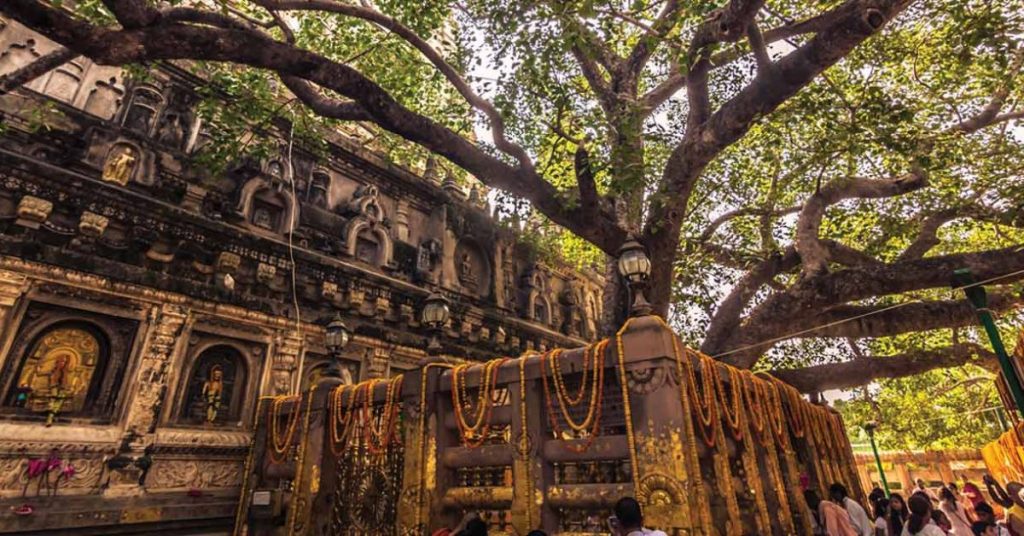
The sacred Bodhi Tree, backlit during late afternoon, creates extraordinary photographic opportunities. The translucent leaves glow with golden-green luminescence as sunlight filters through. Beneath the tree, pilgrims and monks in meditation create powerful human elements that add scale, emotion, and spiritual dimension to your images.
Long exposure techniques (requiring tripods) can capture the slight movement of leaves and prayer flags while keeping human subjects and the tree trunk sharp, creating ethereal images that suggest the spiritual energy many pilgrims report feeling here. Your guide helps you position for these artistic shots while maintaining respectful distance from meditating practitioners.
Monastery Photography Opportunities
After capturing the Mahabodhi Temple Complex, the tour continues to one or two international monasteries chosen for their photographic appeal and evening lighting. The Thai monastery’s golden Buddha statues and colorful architecture photograph beautifully in warm evening light. The Tibetan monastery offers opportunities to capture monks engaged in evening prayers, their maroon robes creating stunning color contrasts.
Many monasteries conduct evening prayer ceremonies around sunset time. These rituals provide incredible photographic subjects—rows of monks chanting, butter lamps creating warm interior lighting, intricate ritual implements and religious artwork. Always photographing respectfully and with permission, you capture authentic spiritual practice rather than staged tourist performances.
Best Photography Locations in Bodhgaya
Mahabodhi Temple Complex
The temple complex offers dozens of distinct photography opportunities. The main temple from various angles, the Vajrasana (Diamond Throne), smaller votive stupas, the lotus pond reflecting the temple, and the prayer flag-draped areas all provide unique compositions. The complex’s layout creates both intimate corners and grand vistas—understanding where each exists saves valuable shooting time.
Great Buddha Statue
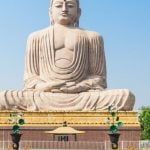
The 25-meter Great Buddha Statue, located near the temple complex, photographs dramatically during golden hour. The red granite and sandstone statue catches warm sunset light beautifully, and the surrounding gardens provide foreground interest. Positioning yourself to include both the statue and colorful sky creates powerful images combining human spiritual aspiration with natural beauty.
International Monasteries
Each monastery offers distinct visual character. The Japanese temple’s clean lines and zen gardens suit minimalist compositions. The Bhutanese monastery’s ornate traditional architecture and vibrant colors create rich, detailed images. The Thai temple’s golden statues and elaborate decorations offer exotic visual appeal. Your guide helps you select monasteries matching your photographic style and interests.
Prayer and Ritual Scenes
Beyond architecture, capturing human spiritual practice creates photography’s most moving images. Monks circumambulating the temple at sunset, pilgrims making offerings, meditation sessions beneath the Bodhi Tree, evening prayer ceremonies—these moments convey Bodhgaya’s living spiritual tradition. Photographing these scenes requires sensitivity, respect, and often patience waiting for authentic moments rather than staged poses.
Technical Photography Tips for Bodhgaya
Camera Settings for Temple Photography
For sunset exterior shots, start with ISO 100-400 to minimize noise while there’s still adequate light. Use aperture priority mode (f/8-f/11) for maximum depth of field in architectural shots, letting the camera adjust shutter speed. As light fades, gradually increase ISO to maintain proper exposure, or use a tripod for longer exposures at low ISO.
For interior temple photography, you’ll need higher ISO (800-3200) or tripods for longer exposures. Many temple interiors prohibit flash, which is actually fortunate—natural and ambient lamp light creates more authentic, atmospheric images than harsh flash photography.
Lighting Challenges and Solutions
The high dynamic range between bright skies and shadowed temple areas challenges cameras. Graduated neutral density filters help balance exposure, or shoot bracketed exposures for later HDR processing. Alternatively, embrace the contrast—silhouetted temples against vivid sunset skies create dramatic images even if shadow detail is lost.
Inside temples, low light requires either fast lenses (f/2.8 or wider), high ISO capabilities, or tripods for longer exposures. Modern cameras handle high ISO remarkably well, but test your camera’s limits beforehand to know how high you can push ISO while maintaining acceptable image quality.
Composition Techniques
Apply classic rules like the rule of thirds—position the temple or Bodhi Tree along gridlines rather than dead center for more dynamic compositions. Use foreground elements (prayer flags, flowers, pilgrims) to add depth and context. Leading lines—pathways, aligned stupas, rows of monks—draw viewers’ eyes toward your main subject.
For human subjects, capture candid moments of genuine spiritual practice rather than posed portraits. Patience yields authentic expressions and gestures that convey real emotion and devotion. Respect people’s privacy and spiritual moments—if someone seems uncomfortable being photographed, move on to other subjects.
Capturing Spiritual Essence Through Photography
Technical excellence matters, but great spiritual photography transcends correct exposure and sharp focus. How do you capture the intangible—devotion, peace, transcendence? Often through suggestive rather than literal imagery. Soft focus on prayer wheels in motion, long exposures blurring circumambulating pilgrims while the temple stays sharp, rays of light streaming through temple windows—these techniques evoke rather than document spiritual experience.
Look for small moments that reveal larger truths: weathered hands holding prayer beads, a child’s face illuminated by butter lamps, shadows of monks cast long across ancient stone. These intimate details often communicate spiritual atmosphere more powerfully than grand architectural vistas.
What Equipment to Bring
A versatile zoom lens (24-70mm or similar) handles most situations from wide architectural shots to tighter human subjects. A telephoto lens (70-200mm) helps capture distant details and allows photographing people from respectful distances. A fast prime lens (35mm or 50mm f/1.8 or wider) excels in low-light temple interiors.
Bring a sturdy tripod for long exposures during fading light and dark temple interiors. Spare batteries are essential—cameras drain quickly in continuous shooting mode during intensive photography sessions. Multiple memory cards ensure you never run out of storage during peak shooting times.
Filters enhance outdoor photography: polarizing filters deepen blue skies and reduce reflections, neutral density filters allow longer exposures in bright conditions, and graduated ND filters balance sky and ground exposures. A lens cleaning cloth keeps your optics spotless despite Bodhgaya’s occasional dust.
Photography Ethics at Sacred Sites
Respect always precedes photography at sacred sites. Never interrupt prayers, meditations, or rituals for photographs. Ask permission before photographing people, especially monks and nuns—a respectful gesture or nod usually suffices, and most people appreciate being asked. If someone declines, honor their wishes graciously.
Some temple interiors prohibit photography entirely—respect these rules even if you disagree. The restrictions often protect ancient paintings and artifacts from flash damage or honor spaces considered too sacred for casual photography. When photography is permitted, avoid flash in dark interiors—not only is it usually prohibited, but natural and lamp light creates more authentic, atmospheric images.
Dress modestly (covered shoulders and knees) out of respect and to avoid drawing negative attention that might limit your photography access. Behave reverently—remember you’re in active worship spaces, not outdoor museums. Your conduct affects how locals and administrators perceive all photographers who follow.
What’s Included in the Private Tour
The private photography tour package typically includes expert photography guide with local knowledge, private air-conditioned transportation between locations, all entrance fees to temples and monasteries, bottled water and refreshments, and flexible timing adjusted to optimal light conditions. Some premium packages include photography instruction for beginners or advanced techniques for experienced shooters.
The tour usually lasts 3-4 hours, starting late afternoon and continuing through sunset and twilight (blue hour). Extended packages might include post-sunset blue hour photography when deep blue skies contrast beautifully with illuminated temples and golden interior light spilling from monastery windows.
Conclusion
The Private Bodhgaya Sunset Tour – Photography offers photography enthusiasts a rare combination: technical excellence in lighting and composition opportunities, combined with profound spiritual and cultural significance. Capturing Bodhgaya during golden hour means photographing Buddhism’s most sacred site when both natural light and human spiritual activity reach their daily peaks.
Whether you’re a serious photographer building a portfolio of sacred architecture, a travel photographer documenting India’s spiritual heritage, or an enthusiastic amateur wanting stunning images from a meaningful journey, this specialized tour provides expertise, access, and timing that independent exploration can’t match. The photographs you create will do more than document your visit—they’ll capture the timeless beauty and spiritual essence of a place where enlightenment was first attained and continues to inspire millions.
FAQs
1. Do I need professional photography equipment or will a smartphone work?
While professional cameras with interchangeable lenses offer maximum creative control and quality, modern smartphones capture surprisingly excellent images, especially in good light like golden hour provides. If using a smartphone, consider these tips: use HDR mode for high-contrast scenes, avoid digital zoom (move closer instead), clean your lens frequently, and consider a small tripod for stability. The tour guide adapts advice to whatever equipment you’re using, ensuring you get the best possible results.
2. Are there any restrictions on photography at the Mahabodhi Temple?
Photography is generally permitted in outdoor areas of the Mahabodhi Temple Complex including around the main temple and Bodhi Tree. However, certain interior shrine rooms may prohibit cameras. Flash photography and tripods are sometimes restricted in specific areas during busy periods. Your guide knows current rules and ensures you photograph within permitted areas while still capturing all key subjects. Always follow posted rules and guard instructions regarding photography.
3. What happens if weather is poor on the day of my sunset tour?
Cloudy or overcast conditions actually create beautiful soft, diffused light for photography—often preferable to harsh clear-sky conditions. Dramatic clouds can make sunsets more spectacular with varied colors and textures. However, if conditions are truly unfavorable (heavy rain, complete cloud cover preventing sunset), most operators offer rescheduling for the next available day or partial refund depending on their policies. Discuss cancellation and rescheduling terms when booking.
4. Can the tour be customized for specific photography interests?
Absolutely! That’s the advantage of a private tour. If you’re particularly interested in architectural photography, the itinerary can emphasize temple structures and design details. If you prefer photographing people and spiritual practices, more time can be allocated to prayer ceremonies and ritual activities. Interested in abstract or artistic photography rather than documentary style? Your guide can suggest locations and techniques for creative interpretation. Communicate your specific interests when booking for optimal customization.
5. Will I receive any post-processing or editing guidance?
Some premium photography tours include brief post-processing consultations where guides (if they’re experienced photographers themselves) offer suggestions for editing your best shots. However, most tours focus on capture rather than editing. If you want extensive post-processing guidance, inquire specifically about this when booking—some operators can arrange additional instruction for an extra fee. Many photographers find that properly captured images during golden hour require minimal editing, as the natural lighting does most of the work.